By Selena Lin
Once upon a time, a young woman desired the best for her children. Well, not just for them. For herself as well, as whatever riches and glory the children would come to possess would become hers as well. Such devoted children they were, and knew the pains their mother had taken to raise them. How she had labored in bed to bring forth all five of them from her own flesh. How she squatted all day in the blistering sun, selling bean sprouts to passersby while swatting away fat mosquitoes. Whatever money the children earned in life would go to buying her a new dress to replace the patched frock she wore. Whatever name they earned for themselves would only reflect back on her raising of them.
When the children grew older, they tried their best to make something of themselves. But the land they lived in was graying of opportunity. Everyone could see it. And so their eyes began to wander elsewhere.
“I hear that the land across the ocean is green,” the mother said one night to the children. The sun was setting, and the room was lit by a single lightbulb hanging from the ceiling. “I hear that there is plenty there. Many of our neighbors have already left.” The children were still quite young then. Some of them were newly married after high school and cradled suckling babes in their arms. “Go,” the mother urged. “Go and make our dreams come true.”
And so the children did. Sailing across the ocean, wives and husbands and babes in tow. They braved jungle and foreign men, barbed wire and desert searchlights. Whatever attempts the new land made to keep them out, failed. They crawled over stone and sand into the land of promise, not speaking the language, not understanding the sights. But, they told themselves, they were children of mother, and she was the most industrious and cunning woman they knew. They could not let her down.
They toiled in the backs of restaurants, scrubbing and cooking, grease-stained and swollen from standing. Years passed, and they saved enough to open their own restaurants and shops. It seemed that mother had been right. This was the land of opportunity. Business boomed, and cash flowed like rivers for each of them.
Soon the children were sailing home to visit mother, bringing her gold and jewels and grandchildren’s faces to kiss. The mother was happy. She was proud.
Years passed. Now the children only sailed home during the summers because the grandchildren had gotten a little older, and they had school schedules that were to be considered.
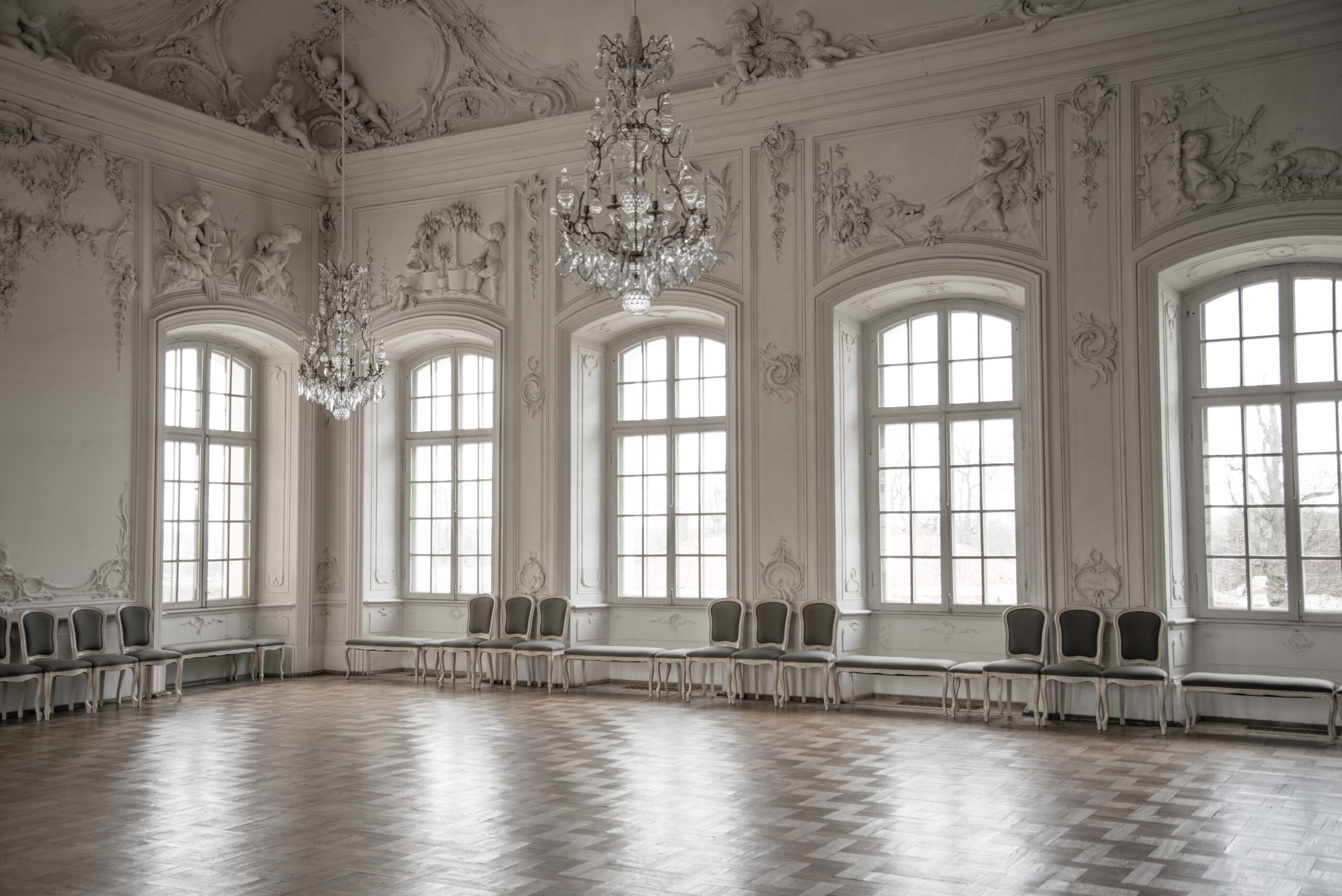
The cash continued to flow. This new land was rich beyond their wildest imaginations. In the gray-harbored village that they had been born in, the children built their mother a grand palace that stood higher than any of her neighbors’ homes. It was as it should be. The neighbors did not have children who braved the new world. Or if they did, their children were not so clever and diligent. The new land was as full of opportunity as it was danger. It was known to swallow children whole.
Years passed. For the first time, one of the children was not coming home this summer. “Next summer,” he promised over the phone. “We just had someone quit at the restaurant and I’ll need to cover him until we find a replacement.” What he did not say was that traveling halfway across the world was a hassle. Besides, the grandchildren were getting older and had violin lessons and it was not good to miss a whole summer of violin lessons.
The mother agreed, one hand holding the phone, the other clutching her gold-jade necklace.
The next summer came. Now two of the children were not coming home this summer. Their excuses were reasonable.
“Of course, of course,” the mother said. “But I am getting older, you see.”
“Next summer,” the children promised.
And so it went.
The aged woman walked the cold halls of the palace her children had built for her. She knew not when the next one would visit, or which one exactly would visit. There were a few grandchildren she had not seen since they were toddlers, and they were studying for college admissions now, last she heard.
The only person who knew her pain, who saw her every day, was the maid– also an old woman herself, barely younger than her employer– who the children had hired decades ago. Some of the children still grumbled that she was paid too well for a maid of the old world.
Another holiday came. Red confetti popped in the neighbors’ yards. The old mother and the maid chewed slowly at a veined marble table suited for seating ten, twelve. Afterwards, she took a walk in the trimmed gardens around her palace. It was her favorite thing to do every day. But her legs weren’t as strong as they once were, and the maid helped her along.
One day the old mother woke up in bed and found that she was no longer able to walk. Her hearing had mostly gone too, and made understanding what her children were shouting over the phone very difficult.
The children were worried for her on the other side of the world. It was almost time, they whispered to one another. They began to make ever-changing plans to visit her, each estimating when it would happen. It would be inconvenient to have to come back again for the funeral.
“When are they coming?” the old mother asked the maid, who sat at her bedside. Her cloudy eyes were wet.
“Soon, soon,” the maid promised again and again, patting her wrinkled, leathery hand. The maid hesitated. Then, her curiosity took over. “Would you trade it all to have your children by your side?”
The old woman turned her face away, towards the window where day was breaking. She gave no answer.